
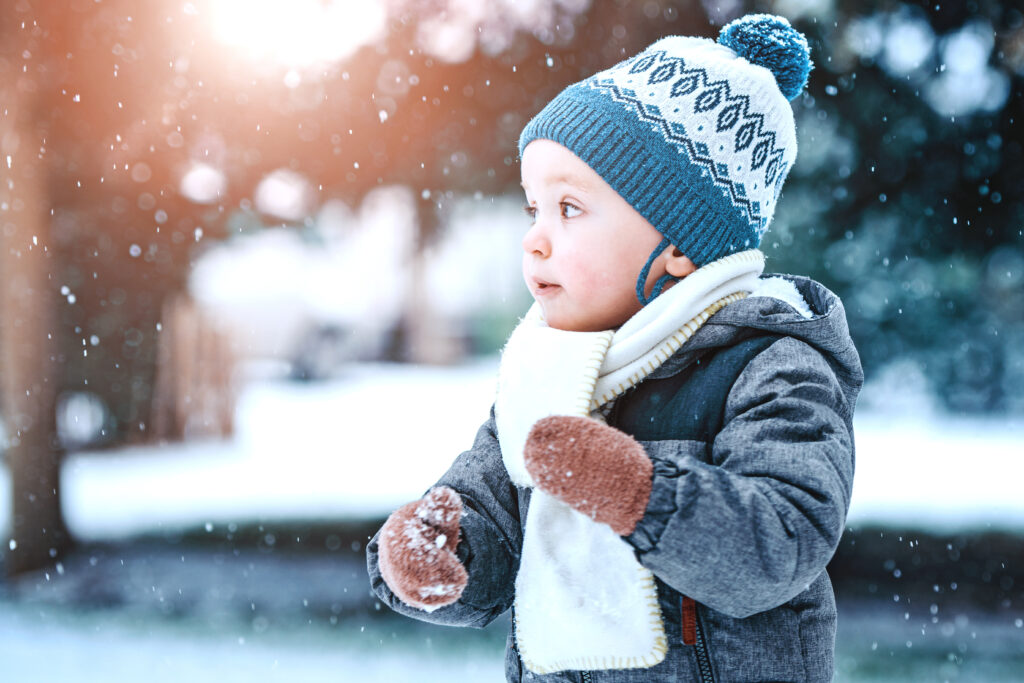
Winter is starting to feel long for many of us, and when you’re parenting preschoolers, it can feel like you’ve been indoors forever. It’s definitely not a season where we think about going outside a lot, unless it’s to play in the snow. In this cold season, it can be a whole thing just to get out of the door with little kids. And so nature walks are a thing that we tend to save for spring, when it’s warmer and lighter and easier. But winter has its own outdoor magic, especially for our little ones. And so, even though it takes some effort, it can be really fun to take a nature walk in the winter. We’re not talking about taking a big hike or a perfectly planned outing. This can just be a slow walk outside with our children’s curious minds.
Why Winter Walks Are Worth It
When everything is green and blooming, there’s a lot to see. But in the winter, the world feels stripped down, and that’s actually good for preschoolers. When there is less to take in, our kids can notice more. And we can help them notice. We can notice the crunch of snow under our boots, the way the frost coats the grass, or the shape of the bare branches against the sky.
And beyond these mental exercises, winter walks can help our kids with emotional regulation, inspire our little one’s imaginations, and give our kids a chance to move their bodies in a calmer, steadier way. And for us parents, the fresh air and intentional noticing can be grounding too.
Keep It Simple
If the idea of getting everyone dressed makes you want to give up before you start, you’re not alone. Let’s remember though, that the goal isn’t perfection. We’re going for comfort and realism. So let’s keep things simple. We can focus on warm layers, gloves or mittens that may or may not stay on, and a short, familiar route. A walk around the block, through a nearby park, or even around our own yards would be perfect. Let’s let our kids set the pace and stop when something catches their attention. And it’s totally OK to head home earlier than we thought we would. It’s about the experience, not the distance or length of time we spend in the cold.
Finding Interest When Everything Looks Brown
At first glance, winter landscapes can seem dull or lifeless. But when we slow down, there’s so much that can be noticed. Our preschoolers can run their fingers along some textured tree bark or check out the curled-up leaves left from fall. And maybe there are pinecones or seed pods we could look at. If you have snow, or even mud, you might see some animal tracks. There could be some birds around, depending on where you live. And ice usually makes something for us to look at, icicles hanging from roofs or ice coating plants and trees or even the delicate patterns it makes along puddles and grass.
With all of these things to discover, we really can have fun when we take a winter nature walk with our kids. And if you’d like some signs to go along with all of these discoveries, take a look at the Nature section in our free Signing Time Dictionary!
Let’s Help our Kids to Be Curious
When our kids don’t notice things on our walks, we might need to help them along a little. But we don’t need to teach a lesson or explain everything we see with our kids. After all, their curiosity kicks in better when our guidance is open-ended. Instead, let’s use gentle prompts like “What do you notice today?” or “What feels different from last time?” These kinds of questions invite our children to engage without pressure to give us a correct answer. We could even ask questions like “What do you think happened here?” or “What sounds do you hear?” to help our kids use their imaginations. And if we get a weird or unexpected answer, let’s just go with it. We’re doing this to have fun and get our kids’ brains going, so if they choose to be really imaginative, that’s great too.
Keep It Playful
Some days our kids will be fully engaged, stopping every few steps to explore every little thing. Other days, they’ll complain about the cold almost immediately. Let’s remember that both responses are normal. Our job is to be ready either way. When our kids don’t feel like noticing anything, we can keep things light by turning the walk into a simple noticing game. We can choose one thing to look for , like the crunchy sounds or the sparkly ice. When we set a short goal, like walking to the mailbox or the end of the block, we can help everyone stay OK for just a few minutes. A short walk still counts, and we can recount what we did see to help our kids feel successful and positive about the effort.
And when our kids just don’t want to go at all, let’s try not to cave at the resistance. We can acknowledge how our children feel about the cold. And then we can offer small choices, like which direction to go or what to look for first. When we can keep our tones calm and flexible, it helps more than trying to convince or push our kids into taking this walk. Over time, they will get used to these walks and realize how much fun they have. When we regularly take a nature walk in the winter, it becomes part of what we do during that season, even if there’s a little grumbling as we get used to it.
Bring Some Winter Wonder Back Home
This winter noticing doesn’t have to end when we step inside. We can talk about one thing we saw, draw a picture together, or place a pinecone or small stick on a windowsill. There are also lots of picture books about animals, seasons, and weather. These books can help connect our kids’ experiences to the stories we read with them. When we use these small follow-ups, it helps our kids hold onto what they noticed, and it can build anticipation for the next walk.
Over at My Signing Time, we have some help for getting our kids interested in spending time outdoors. In our Classic Signing Time Collection, there’s a fun episode about Going Outside that helps our kids learn a whole bunch of outdoor signs and how to have a really great time outside.
So let’s remember that winter doesn’t have to be a time of drudgery or boredom. It’s a season that invites us to stillness, noticing, and presence with our preschoolers. And these are things that our little ones already do so well. When we take a nature walk in the winter, we’re not just filling time until spring arrives. We’re helping our children learn how to find interest and beauty in quieter seasons, and we’re modeling how to slow down and notice things, even when life feels cold or busy. Let’s help our kids learn to notice and wonder, even in the winter!