
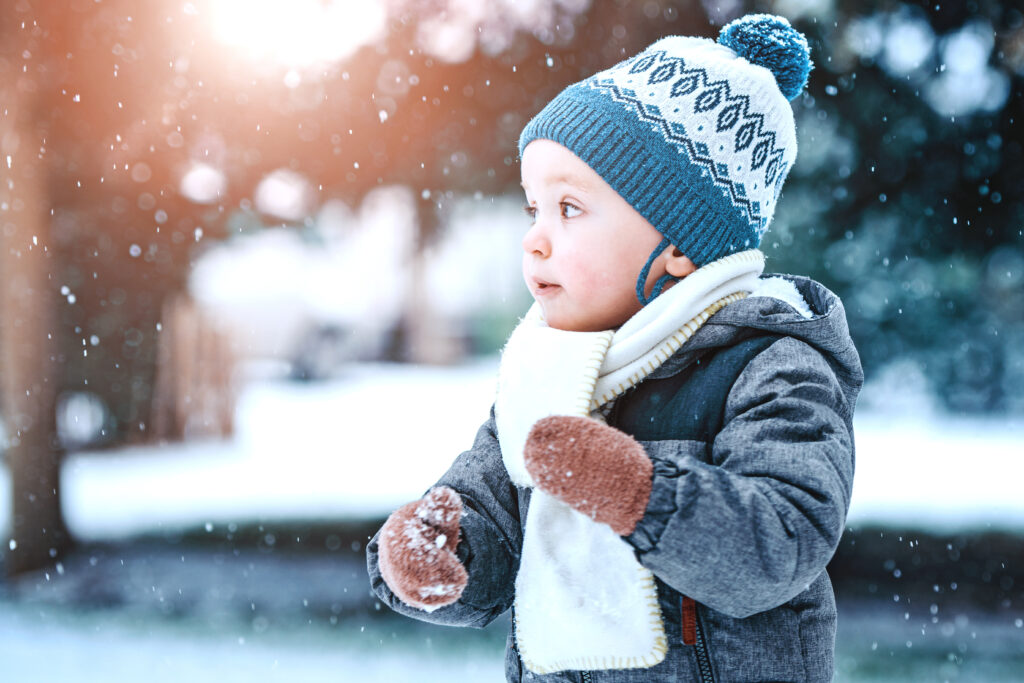
Winter can be magical, with its snowflakes, cozy sweaters, and extra time together as a family. But after the holidays, these cold, cloudy days can also bring some boredom for both our kids and us parents. And boredom means wiggly bodies for our kids, and maybe some winter crankiness for all of us. So if our kids seem extra irritable or restless this time of year (or even us parents), it’s really quite understandable. And since a lot of us are likely to encounter this, let’s think about some gentle, playful ways to manage winter crankiness with our little ones. We can use simple things like movement, routines, and, of course, sign language to support communication and connection.
Why Winter Feels So Hard for Preschoolers
Our preschoolers learn best through movement, personal interaction, and predictable routines. During the winter, outdoor play is often limited, schedules shift during the holidays, and screen time can sneak in more than usual. All of these changes can make it harder for our little ones to feel stable and to regulate their emotions.
When preschoolers don’t get enough physical movement or don’t have the ability to express their feelings, that can bring on the crankiness, the meltdowns, or just resistance to everything we try to do. If we can understand where these behaviors are coming from, it helps us to respond with empathy instead of letting it stress us out.
Over at My Signing Time, we have a show called “My Day” in our Classic Signing Time series. It helps our kids to think through daily routines and transitions, and this can be especially helpful when winter schedules feel off. Routines are the first way to manage winter crankiness with our little ones.
Using Movement
Even when it’s freezing outside, our kids still need lots of movement every single day. Physical movement helps them release pent-up energy, which improves their moods and emotional regulation.
Indoor movement doesn’t have to be complicated or feel out of control for us parents. We can help our kids to dance to fun songs, maybe even their favorite Signing Time songs. Our kids might enjoy acting out animal sounds and movements. And of course, jumping, spinning, and stretching can turn restless energy into joyful play.
It can even help to add words or signs to our movement with our kids. When movement and language happen together, children can stay engaged longer. So let’s try using the sign for jump while we’re jumping, or the sign for run while we’re running
Over at My Signing Time, we have several fitness and dance shows. These can help you come up with ways to keep your kids moving. Preschoolers can manage winter crankiness so much easier when they get enough movement.
Give Them Ways to Express Emotions
One of the biggest challenges in managing winter crankiness in preschoolers is that young children often feel more than they can say. This is one of the reasons we believe so strongly in adding sign language to our little ones’ abilities. Signing gives them another way to tell us about their feelings before those feelings spill over into their behaviors.
When children can sign words like sad, hurt, scared, or help, it helps them to identify their emotions, the first step to managing those emotions. Signing slows things down, and it helps caregivers respond more quickly and calmly to what a child is really trying to say.
Using Sensory Play
Sensory play can be especially helpful during the winter because it supports emotional regulation while keeping little hands and minds busy. Activities that involve touch, temperature, or movement help calm the nervous system and manage winter crankiness.
Simple sensory experiences like playdough, water play during bath time, or scooping and pouring activities can be super fun when we’re stuck indoors.
Moving beads around a twirly wire or sticking magnet tiles together are more physical activities that still get our kids’ minds going. So let’s think about what we have, what our kids enjoy, and how we can use sensory play to manage winter crankiness.
Remember Connection First
Even with good plans, winter crankiness is going to show up at some point. And when it does it’s easy for us to focus on correcting our kids’ behaviors. But preschoolers do best when we lead with connection instead of going straight for correction. So let’s get down to their eye level, see how we can help them name their feelings, and offer them a familiar sign or song to help them feel understood and safe.
Remember, all behavior is communication. So when we respond with patience and empathy, we teach our kids that their feelings are valid and that they’re not alone in learning how to manage them.
Connecting first allows us to correct behavior by getting to the root of it. And it helps us to figure out how to deal with similar situations in the future.
When we work to manage winter crankiness in our preschoolers, it isn’t about avoiding hard moments. Instead, it’s about giving our children the tools to navigate their difficult moments. With routines, movement, sign language, and lots of connection, winter can become a season of growth and communication.
And on the toughest days, remember that you’re doing important work, and you’re doing it well! Let’s hang in there as we manage winter crankiness with our kids!